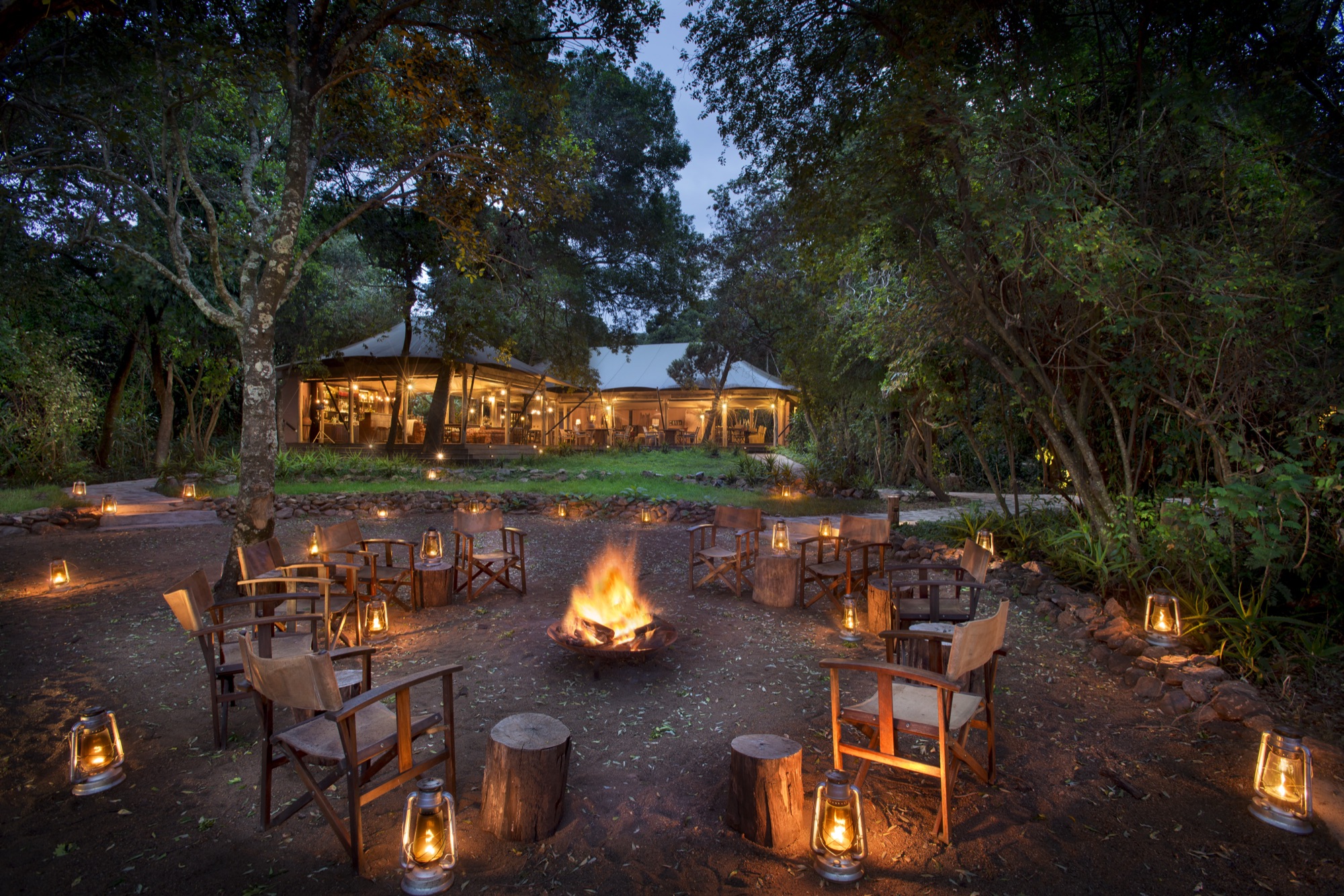

You book a one-night camp on a Botswana route because the alternative is a long day in the vehicle followed by a bad night, and because somewhere to sleep well and eat better than expected turns a transfer into part of the trip. Thakadu Bush Camp is that kind of camp: a stopover in the best sense, and a planning tool rather than a compromise.
Updated 30-Nov-2022
What is a stopover camp, exactly?
A camp whose job is the night between two places. It is not where you spend four days watching the same pride; it is where you arrive dusty from the road, eat, sleep properly, and leave the next morning slightly reluctant to go. Thakadu’s page describes exactly that, and adds that plenty of camps aim for it while Thakadu appears to have simply got on with delivering it.
The camp makes no grand claims, which is refreshing in a country where most lodges make several. It offers, in its own words, a true bush experience with all the rustic authenticity it can muster, and its reputation rests on two things: a comfortable sleep and very good food. Those are the two things a stopover night actually needs. Everything else is a production, and not every night on safari needs to be one.
Why plan a stopover night at all?
Because a long day on the road is a long day on the road, however good the country outside the window. A day that starts before dawn and ends with an arrival in the dark at a camp you have paid a great deal for is a waste of both the day and the camp. A stopover breaks that day in two. You arrive at the expensive place rested, in daylight, and able to enjoy the first evening drive instead of sleeping through it.
Where Thakadu sits on a route, we will leave to the people who drive it. The page names Botswana and nothing more specific, and we would rather say so than guess.
What does a night at Thakadu look like?
The page shows two things, and they are the right two. An eland at the dining area, which tells you the bush comes to the camp rather than waiting to be driven to. And a yellow-billed hornbill on the rail, which tells you breakfast will have company. Neither needed a game drive.
The food is the part people remember. The page is restrained about it, saying only that it is very good and that you will eat far better than you expected, but that second phrase is the one that matters. Expectations at a stopover are low. A camp that beats them, consistently enough to build a reputation on it, has understood its job.
Then you sleep, comfortably, which is the other half of the reputation, and in the morning you go, slightly reluctant. That reluctance is the review.
Who runs it, and does that matter?
The next generation, according to the page, who are expanding the camp while holding onto the original vision. That is a delicate thing to do well, and the fact that they describe it that way suggests they know it. For a stopover it matters more than it sounds: the risk with a camp that grows is that it starts to want to be a destination, and a stopover that tries to be a destination is usually worse at both. The stated intention is to stay what it is, only larger.
How do you use a stopover night in a plan?
- Put it between two long legs, not at the start or end of the trip.
- Do not expect a programme. Arrive, eat, sleep, leave. The eland may or may not attend.
- Budget it as a transfer with a bed, and let it surprise you.
- Pack so the overnight bag comes out of the vehicle on its own; nobody wants to unload a roof rack for one night.
Thakadu Bush Camp is on our Botswana pages, and if you are plotting a route and want to know where a night like this fits, ask us on the enquiry form. Rustic, honest and pleased to see you, as the page puts it, is a perfectly good reason to stop.